
Category: News
If you grew up in the late '80s or '90s, you know that Uptown Records wasn't just a label: it was a lifestyle. It was the sound of the streets meeting the penthouse. It was the Bronx energy exported to the world. Now, in 2026, one of the most iconic brands in music history is officially back.
Uptown Records has been relaunched under the Republic Collective umbrella, marking its 40th anniversary with a fresh mission, a heavyweight leadership team, and a roster that proves the label still has its pulse on the culture. With Yung Miami and G Herbo leading the first wave of signees, the "Ghetto Fabulous" aesthetic that Andre Harrell pioneered is being reimagined for the digital age.
The Legacy: Where "Hip Hop Soul" Was Born
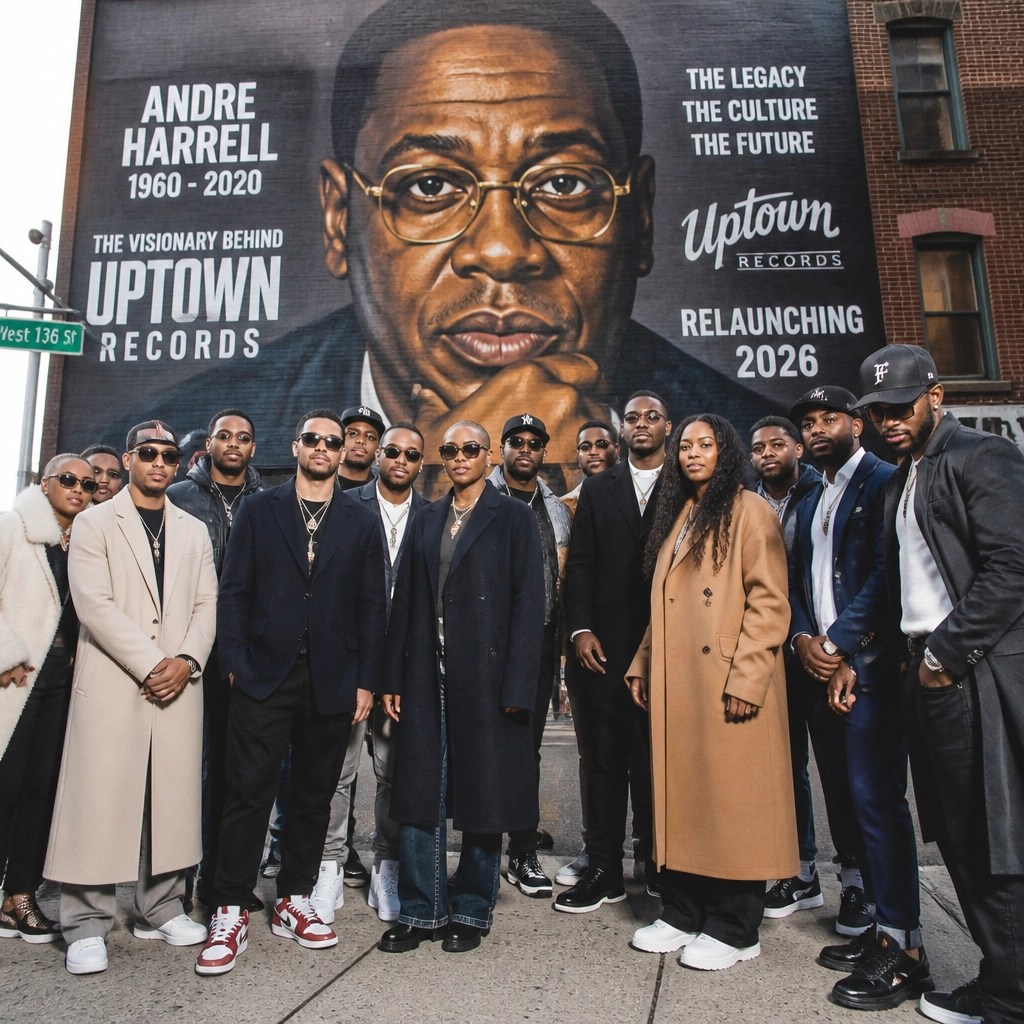
To understand why this relaunch is such a big deal, you have to look back at 1986. That’s when the late, great Andre Harrell founded Uptown Records. Harrell, a Bronx native, saw something that the major labels at the time were missing. He saw a generation of Black youth who wanted to be fly, sophisticated, and urban all at the same time.
He called it "Lifestyle Marketing." He didn't just sell records; he sold an image of success that felt attainable. Uptown was the birthplace of New Jack Swing and Hip Hop Soul. Think about the legends who got their start in those hallowed halls:
- Heavy D & The Boyz: The first flagship act that proved "Biggie" could be smooth and radio-friendly.
- Mary J. Blige: The Queen of Hip Hop Soul. Her debut What’s the 411? changed R&B forever.
- Jodeci: The gritty, gospel-inflected group that brought a new level of edge to the boy band era.
- Sean "Puffy" Combs: Before Bad Boy Records existed, Diddy was an intern and then an A&R at Uptown, learning the ropes from Harrell himself.
Uptown was the bridge between the grit of the Bronx and the glamour of Manhattan. It’s that same energy that the new team is looking to recapture in 2026.
The New Guard: Leadership and Vision
A legendary label needs legendary leadership, and the relaunch under Republic Collective has put power in the right hands.
Danielle Price Sanders has stepped in as the President of Uptown Records and EVP of Republic Collective. Her role is to bridge the gap between the historic legacy and the modern industry landscape. Alongside her is Natina Nimene, the EVP of Urban Audience and Artist Relations for Republic Collective.
Their strategy isn’t just about nostalgia; it’s about integration. By working within the Republic and Def Jam ecosystems, they’re giving their artists the resources of a major label while maintaining the boutique, culture-first feel that Uptown was known for.
In a recent industry statement, Sanders emphasized that the goal is to honor Harrell's legacy by supporting "the next generation of artists" who are pushing boundaries in hip-hop and R&B. They aren't just looking for singers; they’re looking for culture-shifters.
The First Class: Yung Miami & G Herbo
The first wave of signings tells you everything you need to know about where the new Uptown is headed. It’s about personality, street credibility, and mainstream appeal.
Yung Miami’s Solo Ascension
Since the City Girls era, Yung Miami has become a household name, not just for her music but for her personality and presence. Signing with Uptown marks a major pivot in her career. Her recent single "Spend Dat" has already seen massive success, climbing into the Top 40 of the Billboard Hot 100. Miami has publicly stated that Uptown "already feels like home," and it’s easy to see why. She embodies the aspirational, fashion-forward energy that Harrell loved.
G Herbo: The Voice of the Streets
While Miami brings the glamour, G Herbo brings the raw lyrical weight. The Chicago rapper has officially joined the roster, and his Uptown debut album, Lil Herb, has already topped the Apple Music Hip-Hop charts. His platinum single "Went Legit" is a perfect example of the "aspirational urban" sound: it’s music that acknowledges the struggle while celebrating the win.
Watch: G Herbo – Went Legit (Official Video)
The Rising Roster
It doesn't stop with the big names. Uptown is also doubling down on new talent like Trap Dickey (in partnership with Top Dawg Entertainment) and producer ATL Jacob. This mix of established stars and rising talent shows that the label is focused on building a long-term foundation, just as it did in the '90s.
From the Bronx to the World: The Tri-State Connection
For those of us in the Tri-state area: Maryland, Philly, Jersey, and NYC: the return of Uptown feels personal. Andre Harrell was a Bronx native, and the label's identity was forged in the streets of Yonkers and Harlem.
The sound of Uptown was the sound of the 1-9 train, the sound of Sunday dinners in Philly, and the energy of the Baltimore club scene filtered through a high-fashion lens. Even today, the "Uptown aesthetic" lives on in the way local artists from the Tri-state area approach their branding. Whether you're an artist in Baltimore or a producer in Newark, the relaunch of Uptown signifies a renewed interest in the specific brand of "Hip Hop Soul" that this region perfected.
Educational Sidebar: What a Major Deal Means for Independent Artists
With the news of major signings like Yung Miami and G Herbo, many independent artists are asking: What does it actually look like to move from indie to a label like Uptown?
Signing a major deal in 2026 is very different from 1986. While the "big check" is what everyone sees, the business side is where the real work happens. If you’re an artist aiming for this level, there are three things you need to have in order:
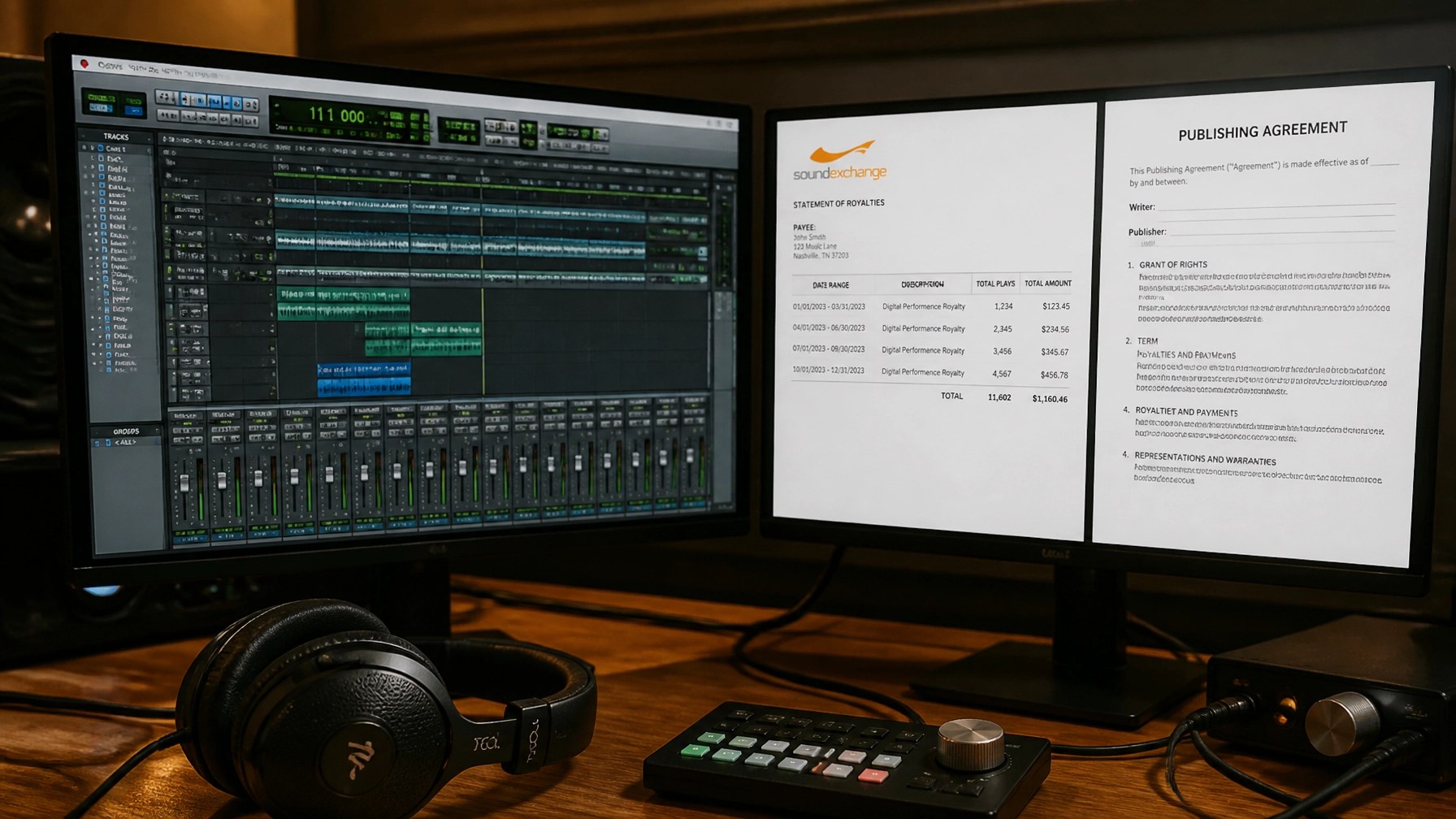
- Publishing: This is the ownership of the song itself (the lyrics and melody). When you sign to a major, they will often want a piece of your publishing, or they’ll set you up with a publishing admin deal. Understanding your "writer's share" vs. "publisher's share" is non-negotiable.
- SoundExchange: This is crucial for collecting digital performance royalties. Whether you're independent or on a label like Uptown, if your music is being played on digital radio (like Power JDM FM!), you need to be registered with SoundExchange to get paid.
- Ownership & Masters: Today’s artists, like G Herbo, often negotiate more favorable terms regarding their master recordings compared to the artists of the '90s. The goal isn't just to be "famous"; it's to be a business owner.
The Road Ahead: Can Uptown Do It Again?
The music industry has changed drastically since 1986. We live in the era of TikTok virality, streaming algorithms, and AI-generated music. However, the one thing that hasn't changed is the human desire for a "vibe."
Uptown Records was always about a vibe. It was about making people feel like they were part of something exclusive yet accessible. By leaning into the solo stardom of Yung Miami and the street-level storytelling of G Herbo, the new leadership is betting that the "Uptown Lifestyle" is still exactly what the culture wants.
As we look toward the rest of 2026, keep your eyes on the Republic Collective. With the resources of Universal Music Group behind them and the ghost of Andre Harrell's vision guiding them, Uptown Records is poised to prove that some legends never really go out of style.
Stay tuned to Power JDM FM for more updates on new releases from the Uptown roster and the latest moves in the industry.