

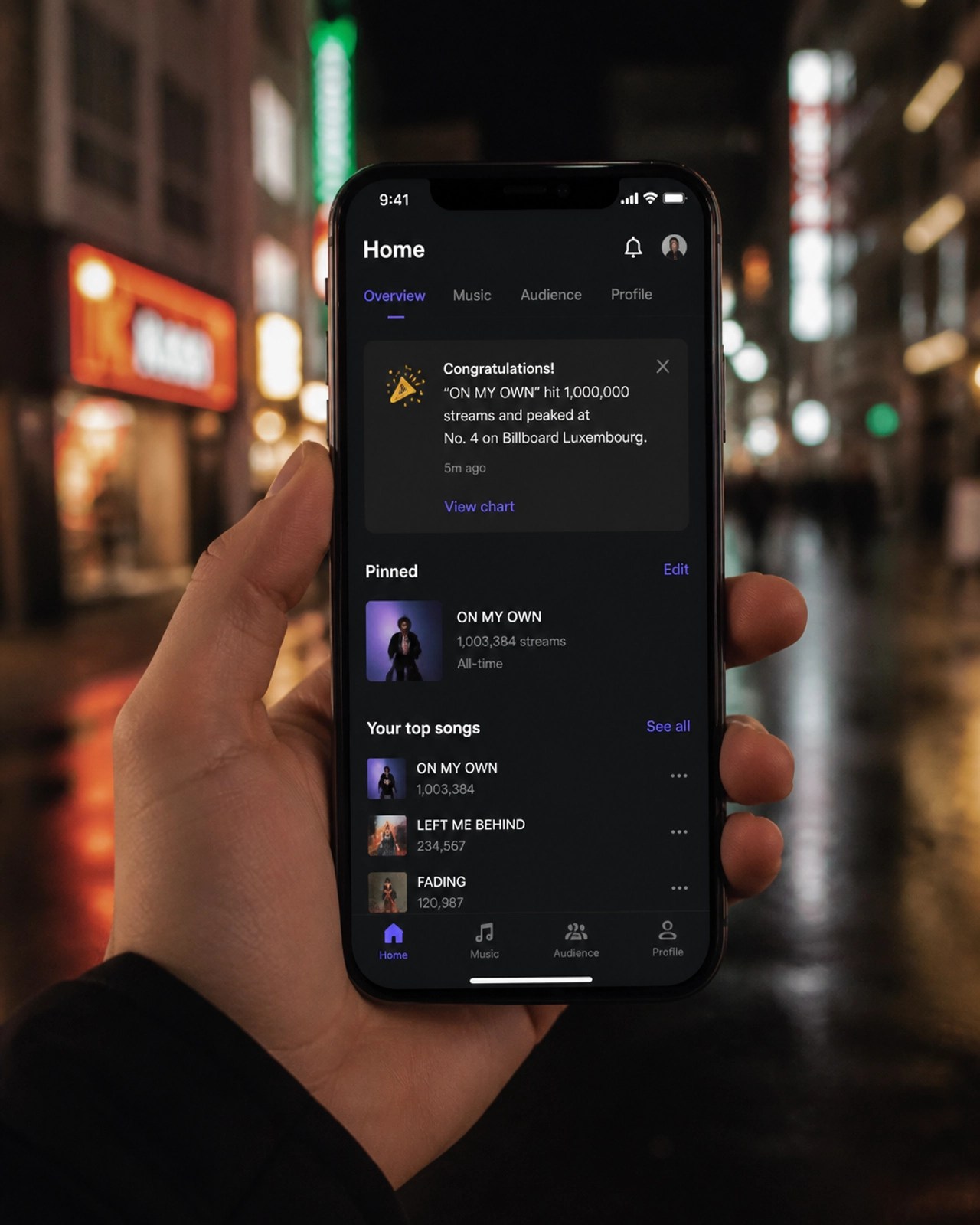
In the modern music industry, the distance between a small town in Utah and the top of a European music chart is no longer measured in miles, but in digital strategy and sonic quality. Leo Sandoval Jr., better known to the hip-hop world as Restlezz, recently proved this by achieving what many thought impossible for an independent artist from Ogden City. His single, "ON MY OWN," surged through the global streaming landscape to peak at No. 4 on Billboard’s Hits of the World chart in Luxembourg.
This isn't just a win for Restlezz; it’s a blueprint for independent artists everywhere. For the first time in history, a rapper from Ogden has claimed a spot on a Billboard chart, making him only the third hip-hop artist from the entire state of Utah to do so. His journey from the local scene to international acclaim highlights a massive shift in how music is discovered, consumed, and rewarded.
Breaking Boundaries: The Ogden to Luxembourg Connection
For decades, the "gatekeepers" of the music industry: major labels based in New York or Los Angeles: decided who got heard. If you weren't in a major hub, your chances of hitting a Billboard chart were slim to none. Restlezz has effectively dismantled that narrative.
By focusing on high-quality production through his own label, Block Monzta Productions, and leveraging global distribution, he tapped into a market thousands of miles away. Luxembourg might seem like an unexpected stronghold for a Utah rapper, but in the era of algorithmic playlists and borderless streaming, data doesn't care about geography. If the music resonates, the fans will find it.

"ON MY OWN" didn't just happen to land on the charts. It was the result of two decades of grinding, writing since age 13, and recording since 17. The track’s success in Luxembourg, alongside strong performance in the UK and Canada, shows that international audiences are often more receptive to independent "urban" sounds than local domestic markets might be.
The Indie Edge: How Digital Distribution Levels the Playing Field
The success of Restlezz underscores a vital lesson for independent creators: You don't need a million-dollar marketing budget; you need a global mindset.
Platforms like Spotify, Apple Music, and YouTube have democratized the "Hits of the World" charts. When an artist remains independent, they retain 100% ownership of their masters and a significantly higher percentage of their royalties. Restlezz’s ability to surpass 1 million Spotify streams and hit Billboard without a major label means he is seeing a direct return on his investment that most signed artists never achieve.
This level of success is increasingly common for artists who understand the technical side of the business. It’s no longer just about the "vibe" in the studio; it’s about understanding metadata, regional trends, and the power of digital aggregators that can push a song to every corner of the globe simultaneously.
Protecting Your Bag: Why Publishing and SoundExchange Matter
While charting is a massive ego boost and a great marketing tool, savvy artists like Restlezz know that the real "win" is in the paperwork. For independent artists in the Tri-state area: from Baltimore to Philly to Jersey City: looking to replicate this success, understanding the administrative side of music is non-negotiable.
When a song like "ON MY OWN" starts trending internationally, several revenue streams are triggered. If an artist isn't set up correctly, they leave money on the table.
1. SoundExchange
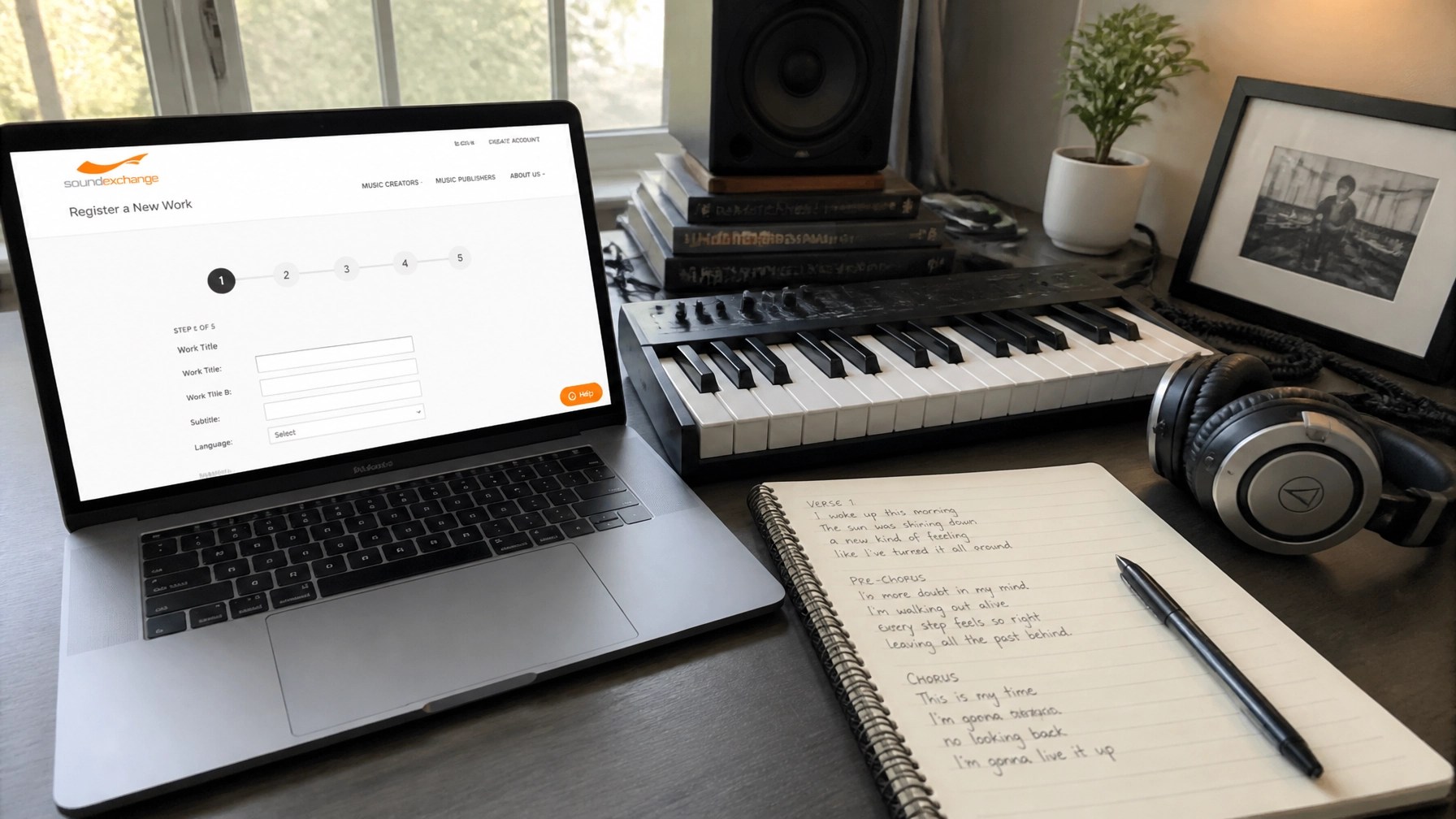
Many artists confuse SoundExchange with ASCAP or BMI. While the latter collect performance royalties for songwriters, SoundExchange collects non-interactive digital performance royalties for the featured artist and the sound recording owner. If your song is played on digital radio (like Pandora or iHeartRadio) or satellite radio (SiriusXM), SoundExchange is where your money is. For an indie artist, registering as both the "Performer" and the "Rights Owner" is essential.
2. Music Publishing
Every song has two parts: the "Composition" (lyrics and melody) and the "Master" (the actual recording). If you wrote the song, you are a publisher. To collect global royalties from international charts like Luxembourg, you need a publishing administrator who can register your works with overseas societies. Without this, your international royalties often sit in "black boxes" and are eventually distributed to major labels.
Advice for Artists in the Tri-State Area
The story of a Utah rapper hitting it big in Luxembourg should be a wake-up call for artists in Maryland, Pennsylvania, and New Jersey. We are in one of the most culturally rich regions for urban music in the world. The talent in the Tri-state area is immense, but the "local" mindset can often be a trap.
Restlezz didn't wait for Utah to notice him before he went global. He built his own studio, learned the engineering side of the craft, and released music that met international standards. Tri-state artists should look beyond their zip codes. Use tools like Spotify for Artists to see where people are listening. If you see a spike in listeners in a specific city: whether it’s London, Luxembourg, or Lagos: pivot your marketing to that region.
The Energy of Independence
At the end of the day, Restlezz’s No. 4 Billboard placement is a testament to the "grind" he often mentions in his social media handles. It proves that the "Ogden to the world" pipeline is real. As the industry continues to evolve, the artists who win won't necessarily be the ones with the most famous friends or the biggest labels, but the ones who treat their music like a global business.

Independence means you have the freedom to experiment, the right to your own earnings, and the ability to chart your own path: even if that path leads all the way to No. 4 in Luxembourg.
Leave a Reply