
The first week of July is usually the peak of the summer event season across the Tri-state area and nearby Delaware. Between Independence Day celebrations, outdoor festivals, and the high-energy fan zones for international sports, the streets of Philadelphia, New Jersey, Maryland, and Delaware are typically packed. However, 2026 has brought a brutal reality to the region: a record-breaking heat wave that is fundamentally changing how we gather.
With temperatures consistently hitting between 100°F and 106°F and heat indices: the "feels like" temperature: soaring to a dangerous 110°F, local governments and event organizers are making tough calls. It isn't just about comfort anymore; it’s about public safety. From shortened parade routes to outright cancellations, here is how the extreme heat is reshaping the local event landscape this July.
Philadelphia: A City Under a Heat Health Emergency
Philadelphia is currently under a Heat Health Emergency, which has been officially extended through the evening of Sunday, July 5. For a city known for its massive outdoor Fourth of July festivities, the timing couldn't be more difficult.
One of the most visible changes was the decision to significantly shorten the route of the annual Independence Day parade. To protect both the performers: many of whom are in heavy costumes or carrying heavy instruments: and the spectators, city officials sliced the route nearly in half. The goal was to minimize the time spent on the blistering asphalt, which can reach temperatures much higher than the ambient air.
The FIFA Fan Festival and International Crowds
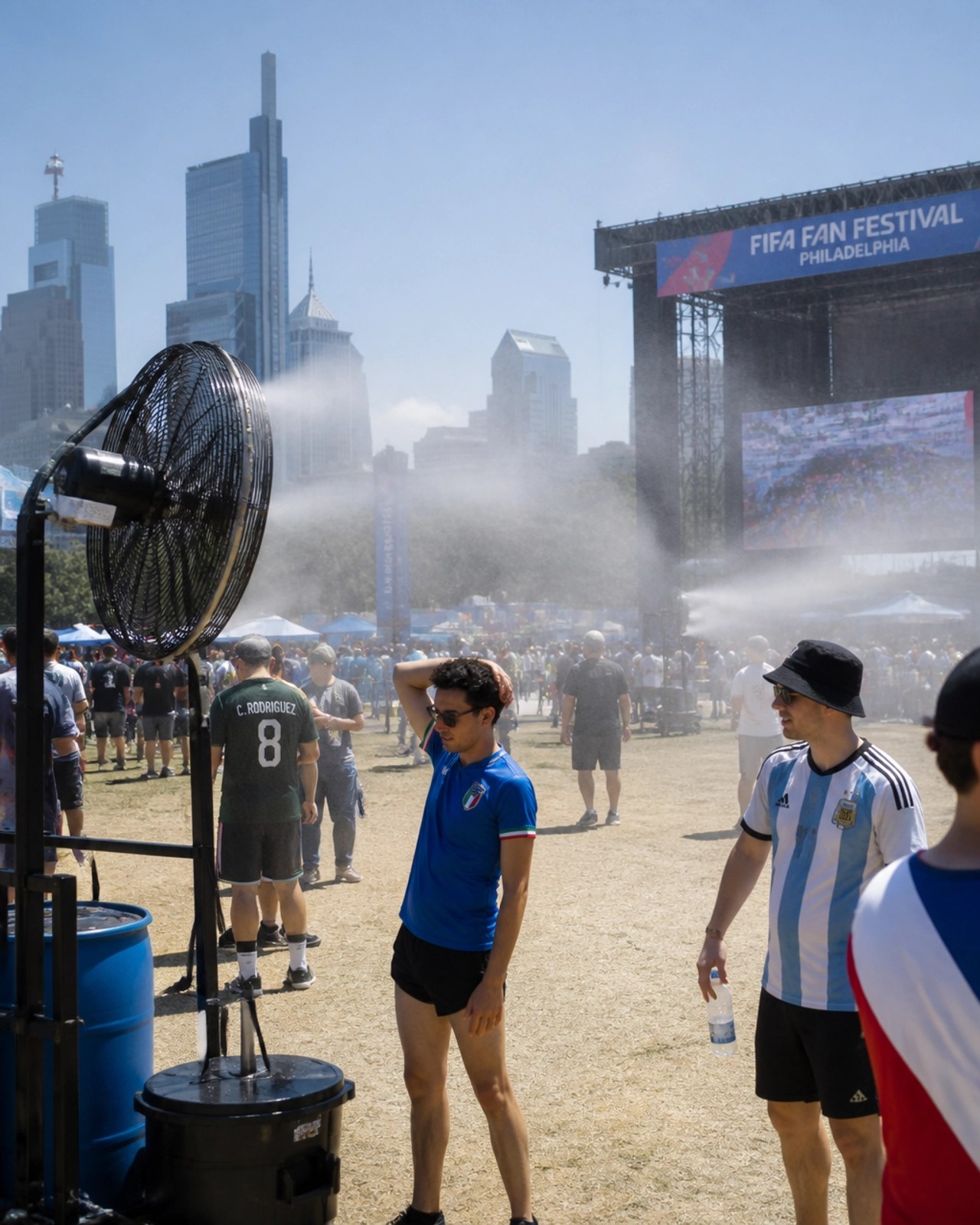
Philadelphia is also in the spotlight as a host for major international soccer events. The FIFA Fan Festival, located at Eakins Oval, has had to radically adjust its schedule. Ahead of the highly anticipated match between Paraguay and France this Saturday, officials have reduced the operating hours of the fan zone.
While fans were initially expected to spend the entire day celebrating, the gates are now opening later in the afternoon to avoid the peak solar radiation hours. For those who do attend, the experience is different. The city has deployed massive industrial misting fans and created "cool zones" where fans can retreat into air-conditioned tents. Despite the excitement of the tournament, the heat has noticeably impacted turnout, with many fans opting to watch the matches from the safety of air-conditioned bars and living rooms rather than the outdoor plaza.
Moving Sacred Moments Indoors
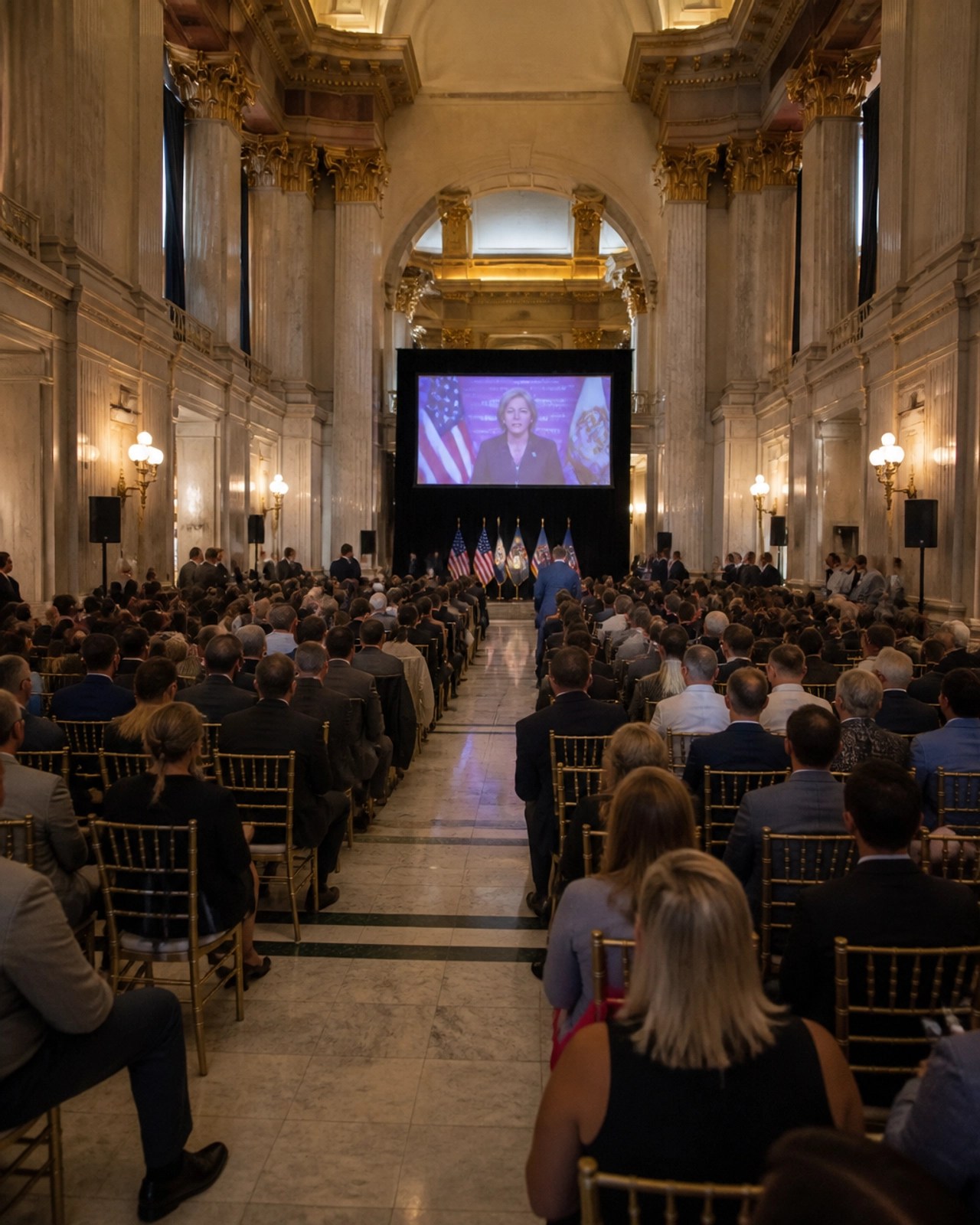
It isn't just sports and parades feeling the burn. A major ceremony that was set to feature a live virtual address from the Pope was originally planned for an outdoor stage to accommodate thousands. However, as the mercury climbed past 100°F, organizers made the last-minute decision to move the entire event inside a large convention hall. While the change in venue limited the total number of physical attendees, it likely saved dozens of people from heat exhaustion.
New Jersey: Cancellations and Postponements
Across the river in New Jersey, the story is much the same. While some events are trying to adapt, others have determined that the risk is simply too high.
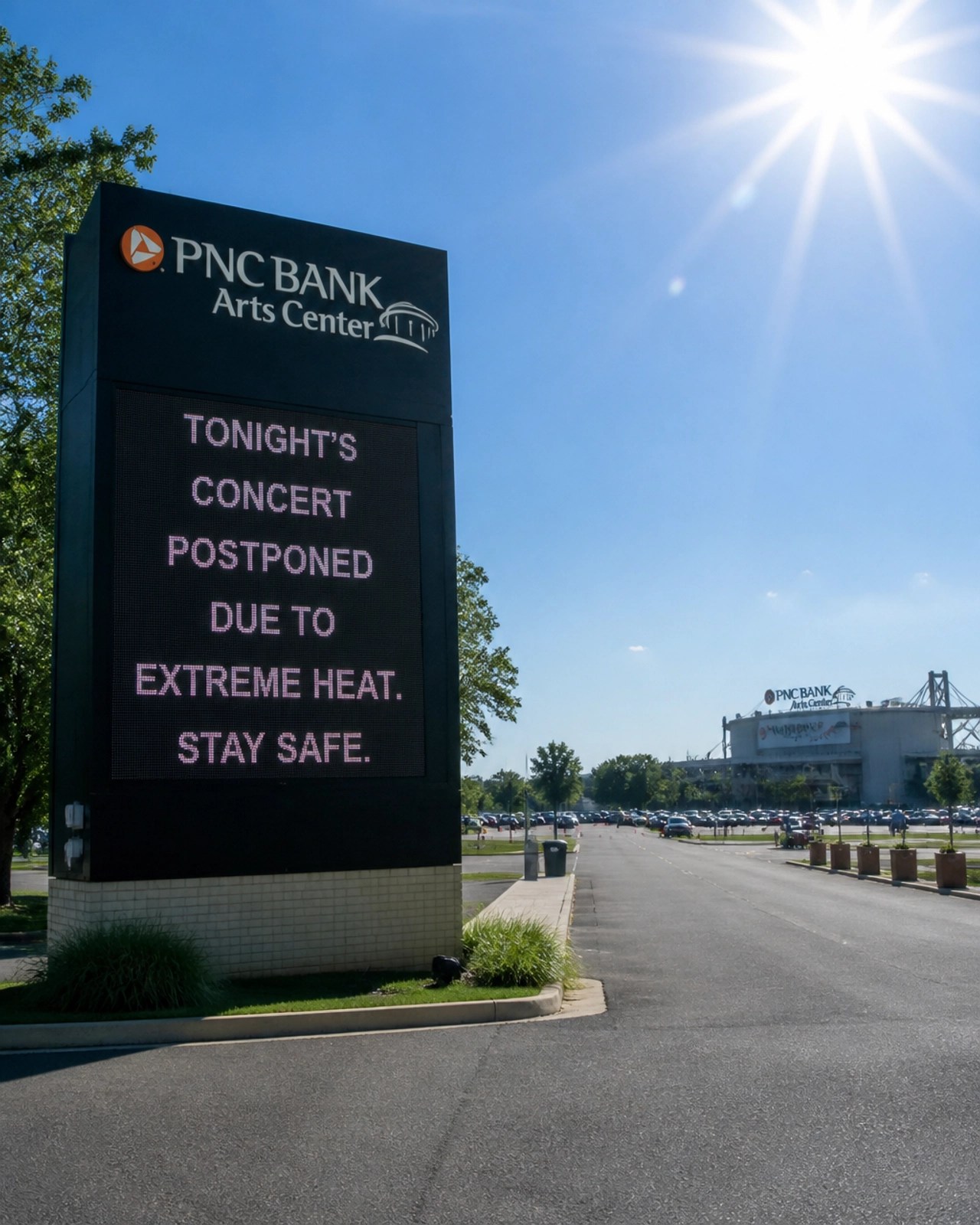
In Freehold, a highly anticipated outdoor concert was postponed earlier this week. The venue cited concerns not just for the audience, but for the technical crews who have to work on metal stages that become dangerously hot to the touch in direct sunlight. Digital signs outside venues across the state now flash warnings instead of setlists, advising ticket holders to stay hydrated and wait for new dates.
Community traditions are also taking a hit. In Haddon Township, the local Independence Day parade: a staple for families in South Jersey: was canceled entirely. Local officials noted that with the heat index reaching 110°F, asking children and elderly residents to line the streets for hours was an unacceptable risk. Many other towns in Burlington, Camden, and Gloucester counties followed suit, either canceling their fireworks displays or pushing them back to later in the month when the "heat dome" is expected to break.
Maryland: Cooling Centers as Community Hubs
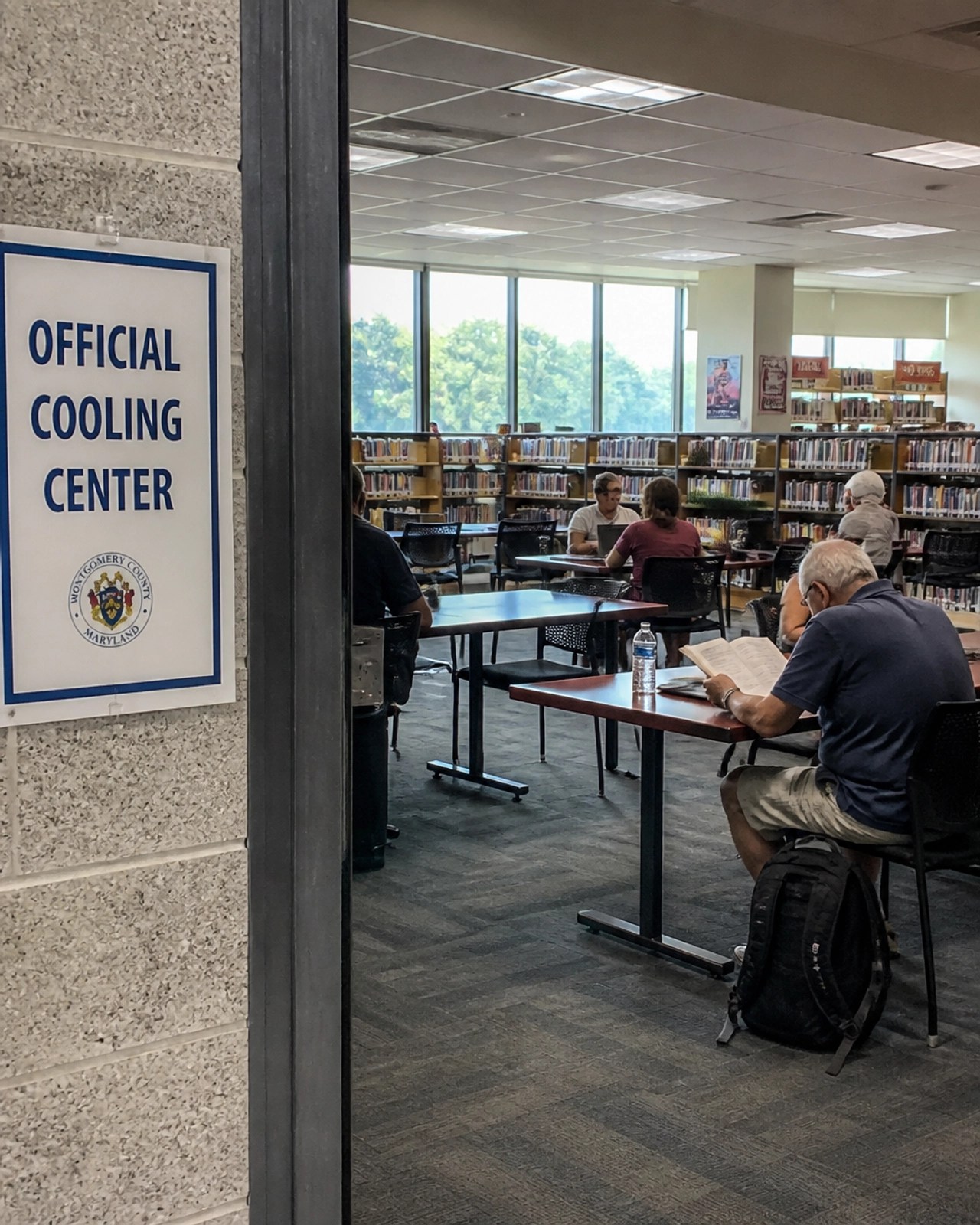
In Maryland, particularly in the Baltimore and DC suburbs, the focus has shifted from entertainment to survival. The Maryland Department of Health has been on high alert, and the state has seen a massive surge in the use of public cooling centers.
Libraries, community centers, and even some shopping malls have been officially designated as cooling hubs. These spaces are seeing record numbers of "attendees," but not for the usual programs. Instead, people are seeking refuge from homes that lack adequate air conditioning or taking breaks from their jobs.
Outdoor festivals in the Baltimore Inner Harbor have seen a dramatic thinning of crowds. While the attractions remain open, the usual bustle of July has been replaced by a quiet, shimmering heat. Organizers have reported that even with free water distribution and shaded seating, many tourists are staying in their hotel rooms until the sun goes down.
Delaware: Cancellations, Delays, and Heat Safety Measures
Delaware has also been hit hard by the same July heat wave, and the effects are being felt across both holiday events and daily public activity. Officials and organizers have made several visible changes as the extreme temperatures continue.
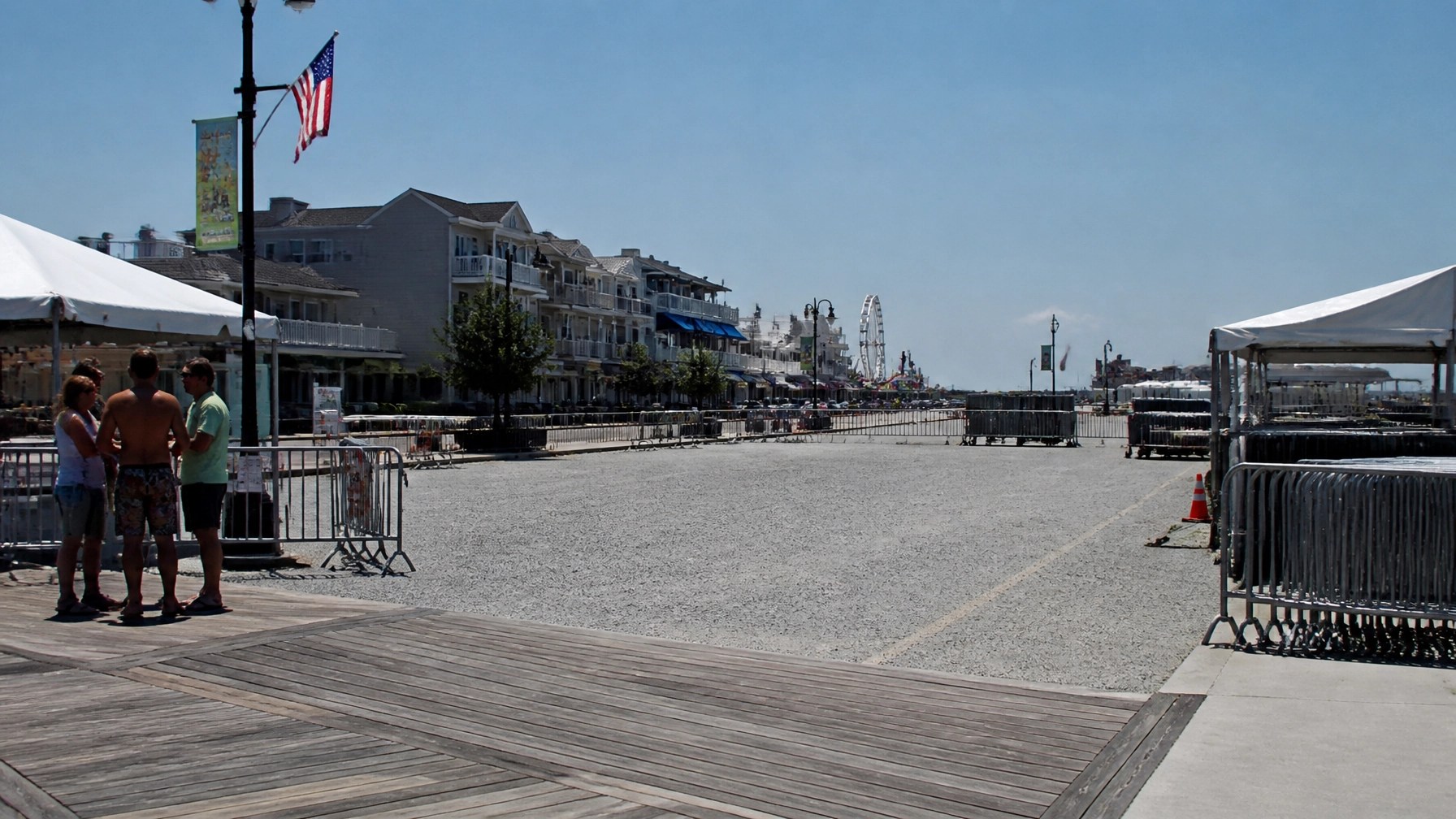
In Milton, the town's Fourth of July festival was canceled because of the dangerous heat. In Bethany Beach, the holiday parade was postponed rather than held during peak daytime temperatures. Dewey Beach also canceled its planned bonfire, removing one more popular outdoor gathering from the holiday schedule.
The heat has also affected sports and recreation. At Delaware Park, horse racing operations were shut down as temperatures climbed, reflecting the broader concern for both workers and animals during the hottest stretch of the week.
Beyond individual event decisions, Delaware's Department of Health and Social Services activated cooling centers statewide to give residents safe indoor spaces during the emergency. That move put Delaware in line with the wider regional response, where public health planning is now shaping what summer events can and cannot move forward.
The Logistics of Heat: The PJM Grid and Event Planning
Behind the scenes, the heat wave is creating a logistical nightmare for anyone trying to run a business or an event. The U.S. Department of Energy recently issued emergency orders for the PJM Interconnection grid, which manages the flow of electricity across the Mid-Atlantic.
Because the demand for air conditioning is at an all-time high, there is a constant risk of localized power outages or "brownouts." For event organizers, this means that even indoor events aren't 100% safe. Many venues have had to rent industrial-grade generators as a backup to ensure their cooling systems don't fail in the middle of a crowded gathering.
Furthermore, the cost of hosting an event has spiked. Organizers are now required to provide significantly more water, more medical personnel (specifically those trained in heat stroke recovery), and more shaded structures than in previous years. For some smaller non-profits and community groups, these extra costs have made it impossible to move forward with their summer programming.
What This Means for the Rest of the Summer
As we look toward the rest of July, the "new normal" for Tri-state events seems to be a pivot toward the evening and the indoors. We are seeing more night markets, late-night museum hours, and "sunset sessions" for live music, as artists and promoters realize that the 12:00 PM to 6:00 PM window is currently a dead zone for outdoor activity.
For the independent artists and creatives we work with at Power JDM FM, this heat wave is a reminder of the importance of digital engagement. When people can’t gather in the streets, they gather online. Our podcast listens and radio streams have seen a spike as people stay inside, looking for entertainment that doesn't involve a risk of heatstroke.
The takeaway for anyone in Philly, NJ, Maryland, or Delaware is simple: pay attention to the alerts. If an event is shortened or moved, it’s for a good reason. Check the social media pages of local venues before you head out, and if you do decide to brave the heat for a shortened parade or a fan zone, keep your water bottle full and your eyes on the nearest cooling center.
Stay safe out there, and stay cool.