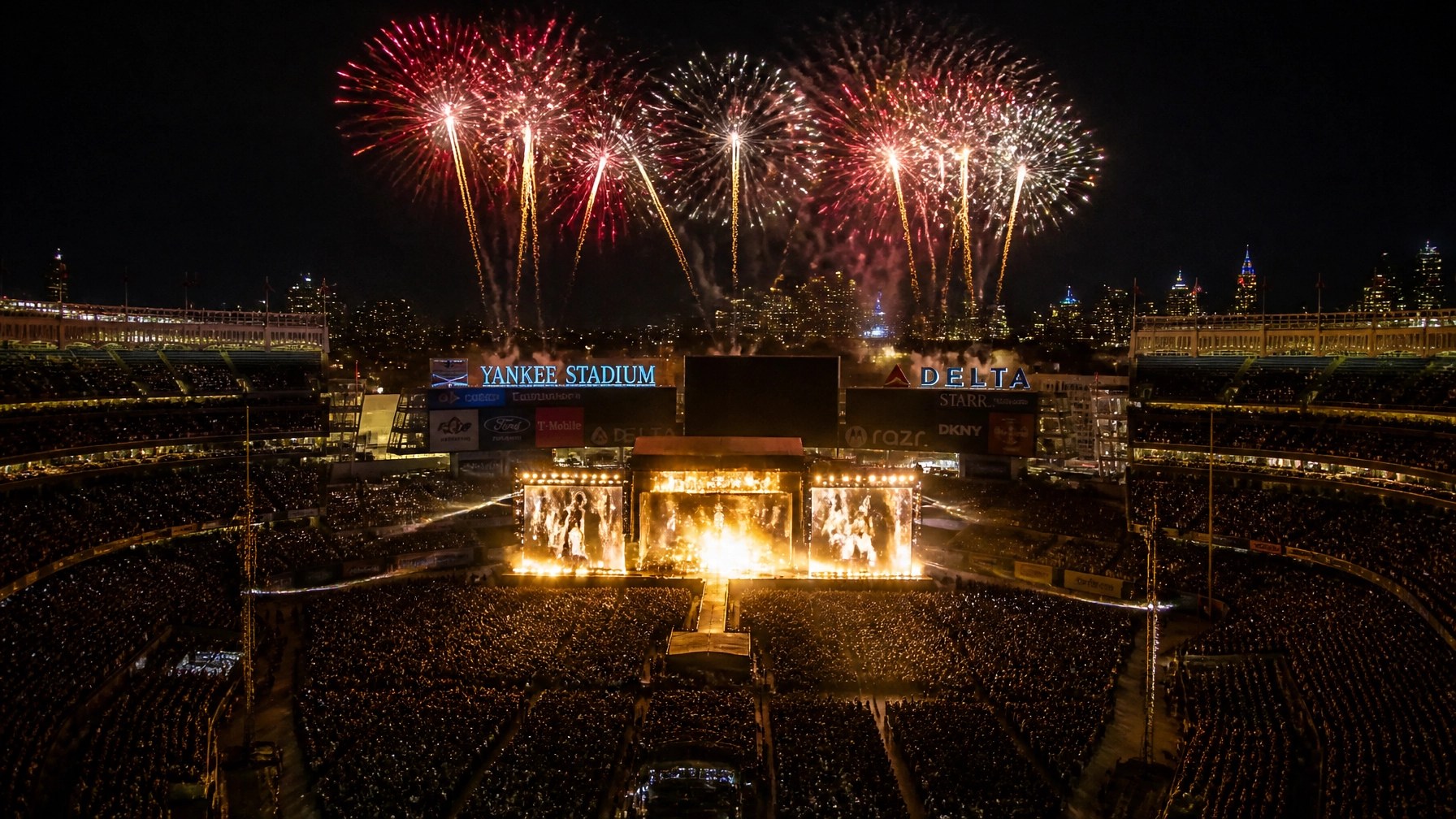
Picture this: 50,000 fans packed into Yankee Stadium, waiting. And waiting. And waiting. A security breach at the gates had pushed showtime past midnight. But when Jay-Z finally stepped onstage just before 1 a.m., he didn't apologize—he launched into a nearly 50-song marathon that lasted until 3 a.m. That's how you turn a disaster into a legend.
That delay became the thread running through the whole weekend. The Bronx was already the center of the hip-hop world between July 10th and 12th, and if you weren't at Yankee Stadium, you definitely heard about it on every social feed and group chat from Maryland to Jersey. Jay-Z, the Marcy Projects legend himself, didn't just play a couple of shows: he threw a three-night cultural takeover to celebrate 30 years in the game, with the kind of finale people will talk about for decades because it transformed chaos into one of the weekend's defining moments.
This wasn’t just a concert; it was a victory lap for the Tri-state area. Fans from Philly, Baltimore, and every borough in NYC descended on 161st Street to witness history. Over the course of three nights, Hov proved why he’s still the "God MC," bringing out a lineup of guests that looked like a Hall of Fame induction ceremony. And by the time the weekend reached its delayed, after-midnight climax, the drama only made the payoff feel bigger.
Here is everything that went down during one of the biggest live hip-hop events of the decade.
Night One: The Foundation (July 10)
The energy on Friday night was strictly for the purists. This night was dedicated to the 30th anniversary of Reasonable Doubt, the album that started it all back in 1996. The stadium felt like a trip back to mid-'90s Brooklyn.
The highlights started early, but the atmosphere shifted when Beyoncé joined Hov for "Can't Knock the Hustle." Instead of a backing track, Bey took on Mary J. Blige's iconic vocal part, turning the stadium into a giant soul session. But the real "I was there" moment happened when Nas walked out. Seeing the two former rivals standing together in the House that Jeter Built to perform "The World Is Yours" and "NY State of Mind" was a full-circle moment for hip-hop.
To close out the night, Alicia Keys appeared at a grand piano center-stage. As the first notes of "Empire State of Mind" echoed through the Bronx, 40,000+ people sang every word. It was a love letter to the city that felt more like an anthem than a song.
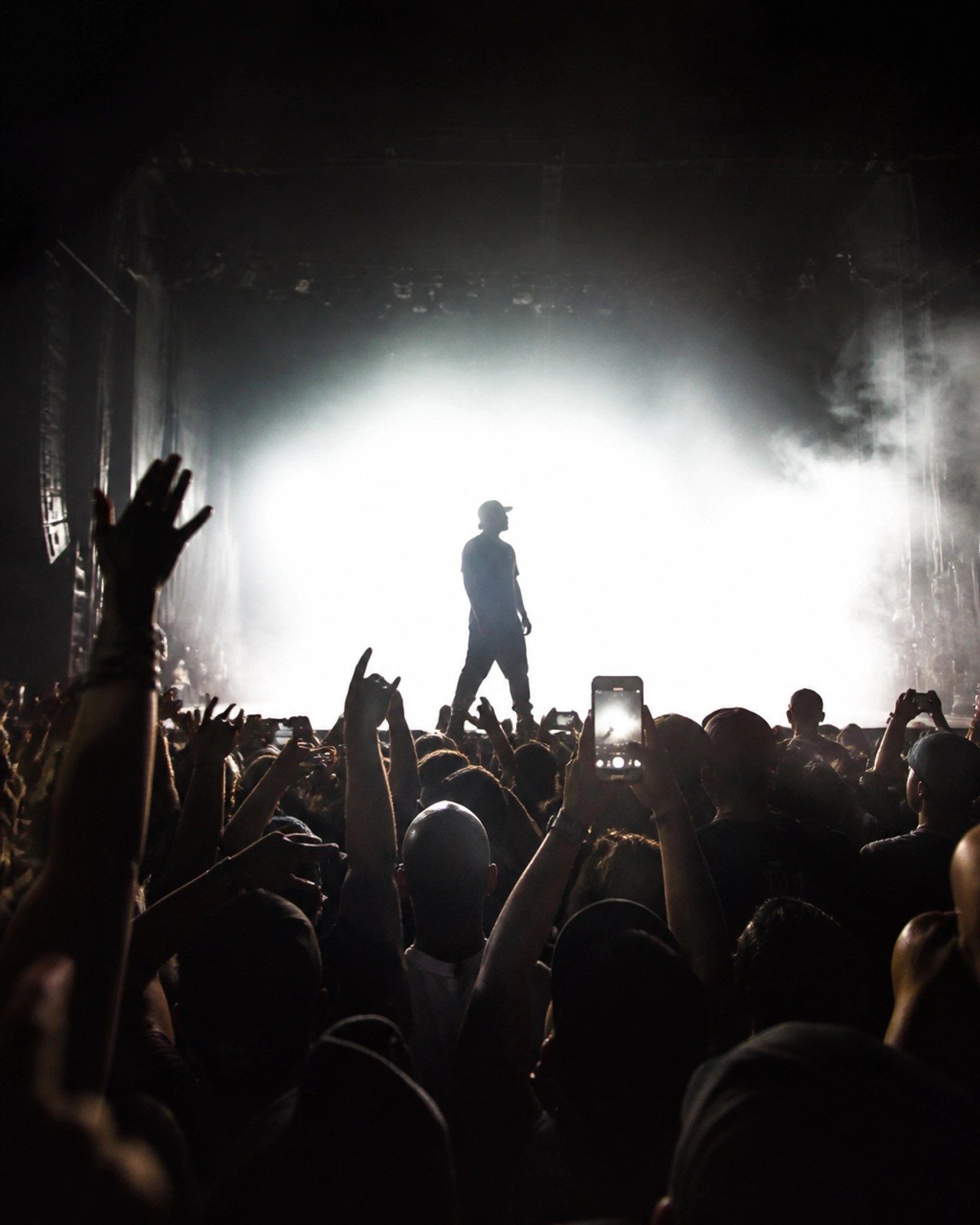
Night Two: The Blueprint of Greatness (July 11)
Saturday night was all about The Blueprint, which is celebrating its 25th anniversary. If Friday was for the foundations, Saturday was for the peak of the dynasty. The crowd was even bigger tonight, with 45,832 tickets sold: breaking the previous night’s record.
The guest list for Night Two was unexpected and heavy. Legend Slick Rick came out for "La Di Da Di" and "Children's Story," showing the bridge between the old school and Jay’s era. But the crowd erupted when the lights went low and the intro to "Renegade" started. Eminem emerged from the stage floor to perform his verse, marking a rare live appearance that had the Tri-state area buzzing for hours.
The night ended with Pharrell Williams taking the stage for a blistering run of their legendary collaborations. From "I Just Wanna Love U (Give It 2 Me)" to "Change Clothes," the duo turned Yankee Stadium into the world's largest block party.
Night Three: The "Extra Innings" Finale (July 12)
The final night, Sunday, didn’t go exactly as planned, and that drama is exactly what turned it into legend. A security breach at the main gates caused a massive delay, leaving tens of thousands of fans bouncing between frustration and anticipation as showtime continued to move later into the night. For most artists, that kind of four-hour delay would have buried the momentum. For Jay-Z, it became the setup for a story people will be telling for years, because once he finally took the stage, the night stopped feeling delayed and started feeling historic.
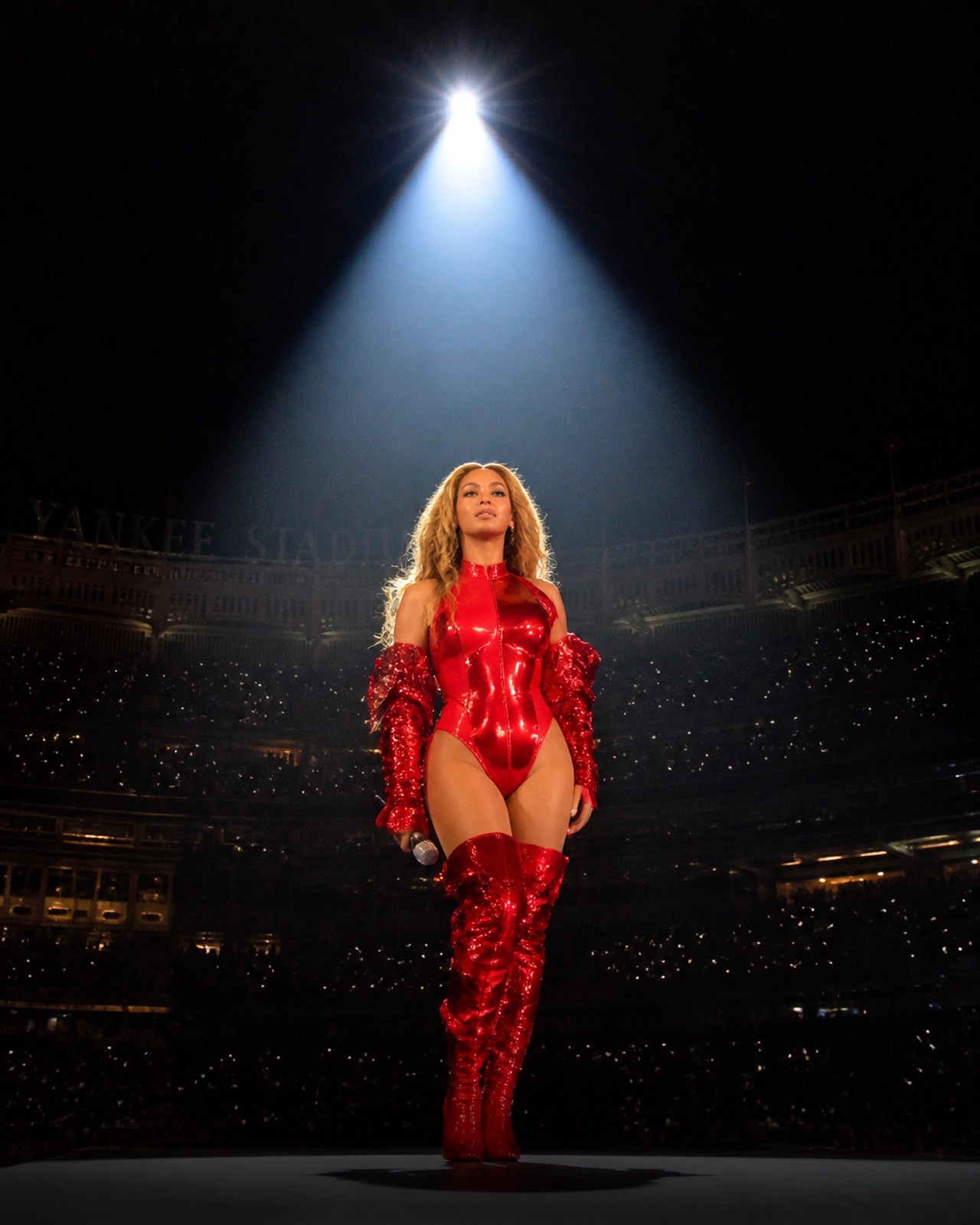
This was the "Extra Innings" show, and the setlist was a marathon of nearly 50 songs. Beyoncé returned for a high-energy performance of "Drunk in Love," but the biggest shock of the weekend came next. Rihanna made her first live appearance in over two years, appearing in a striking red outfit to perform "Run This Town" and "Bitch Better Have My Money." The crowd's reaction was deafening.
As the clock ticked past midnight, the hits kept coming, and the earlier tension at the gates only made the energy inside the stadium feel even more explosive. Usher showed up for "Heart of the City," Pharrell returned with the Clipse (Pusha T and Malice) for a rugged performance of "Grindin’," and the guest list kept growing throughout the night: The-Dream, Jeezy, Swizz Beatz, Fat Joe, and Jadakiss. It felt less like a concert and more like a family reunion for the culture, the kind of night where the delay stopped being the problem and became part of the myth.
The night ended under a canopy of fireworks that could be seen all the way across the Hudson. What started as a logistical mess became a 50-song marathon that proved Hov’s stamina and his place at the top of the mountain.
Artist Education: The Power of the 30-Year Catalog
For the independent artists and creators watching this weekend, there is a massive lesson to be learned from Jay-Z’s 30-year run. While we all love the spectacle of the stadium shows, the real "boss move" is what's happening behind the scenes.
Jay-Z’s career is a blueprint for Catalog Ownership. By celebrating these anniversaries: 30 years of Reasonable Doubt and 25 years of The Blueprint: he is effectively "re-activating" his music. When an artist does a massive run like this, it drives millions of new streams to their older albums.
For the modern artist, this highlights the importance of two major things:
- Publishing: Jay-Z has spent decades ensuring he controls his songwriting shares. Every time "Empire State of Mind" plays in a stadium or on a stream, the publishing royalties act as a long-term retirement fund.
- SoundExchange and Neighboring Rights: These are the royalties paid to the featured artist and the owner of the master recording when a song is played on digital radio (like SiriusXM or Pandora). Artists who own or control their master recordings may also collect eligible SoundExchange royalties when their music is played on qualifying non-interactive digital services.
Building a 30-year legacy isn't just about having a hit song today; it’s about creating an ecosystem where your music continues to pay you long after you’ve left the studio.
Final Thoughts from the Bronx
Jay-Z's Yankee Stadium celebration served as a reminder of why we do what we do at Power JDM. The Tri-state area has always been the heartbeat of this culture, and seeing the entire region come together: from the fans traveling up from Philly and Maryland to the locals in the Bronx: was something special.
Hov gave the city its flowers this weekend, and in return, the city gave him a celebration that will be talked about for the next 30 years.