For a long time, the narrative in the music industry was that you needed a major label deal to see real money. Without a massive corporate machine behind you, the "starving artist" trope was almost a rite of passage. But as we cross the halfway point of 2026, the data is telling a completely different story.
Spotify just released its 2026 Loud & Clear report, covering the full calendar year of 2025, and the numbers are staggering. For the first time, Spotify paid out over $11 billion in royalties in a single year. But the real headline for everyone in the independent scene: from the studios in Philly to the basements in Baltimore: is who that money is actually going to.
Roughly half of that $11 billion was generated by independent artists and labels. Let that sink in. The "indies" are now officially half of the global streaming economy.
The Indie Takeover: $5.5 Billion and Counting
When we talk about "independent" in this context, it refers to artists and labels not owned by the big three majors (Sony, Universal, and Warner). Whether it’s DIY artists using distributors like DistroKid and Tunecore or indie powerhouse labels, the independent sector is no longer just a niche segment of the market. It is the market.
In 2025, the independent sector generated approximately $5.5 billion on Spotify alone. This represents a massive shift in power. Artists now have the tools to reach a global audience without giving up their masters or creative control.
This growth isn't just coming from the top 1% of superstars. More than a third of artists generating over $10,000 in royalties were either completely DIY or started their careers as DIY artists. This shows that the path to a sustainable career is becoming more accessible than ever for those willing to put in the work on the business side.

The Rising "Middle Class" of Music
One of the most encouraging parts of the 2026 report is the growth of what industry experts call the "middle class" of artists. In 2015, the 100,000th highest-earning artist on Spotify generated about $350 for the year. In 2025, that same position in the rankings earned over $7,300.
While $7,300 isn't a full-time salary for most people in the Tri-state area, it’s a massive jump that signals a healthier ecosystem. If you’re an artist in Jersey City or Silver Spring, that’s your rent, your gear upgrades, or your next marketing budget.
Moving up the ladder, the numbers get even more impressive:
- 13,800+ artists earned at least $100,000 from Spotify alone in 2025.
- 1,500+ artists generated over $1 million in royalties.
- The top 80 artists each cleared $10 million annually.
The "100k Club" is growing fast, with nearly 1,400 more artists joining that tier compared to the previous year. For independent artists, this is the goal: building a sustainable, six-figure business around your art.
A Global Stage for Local Talent
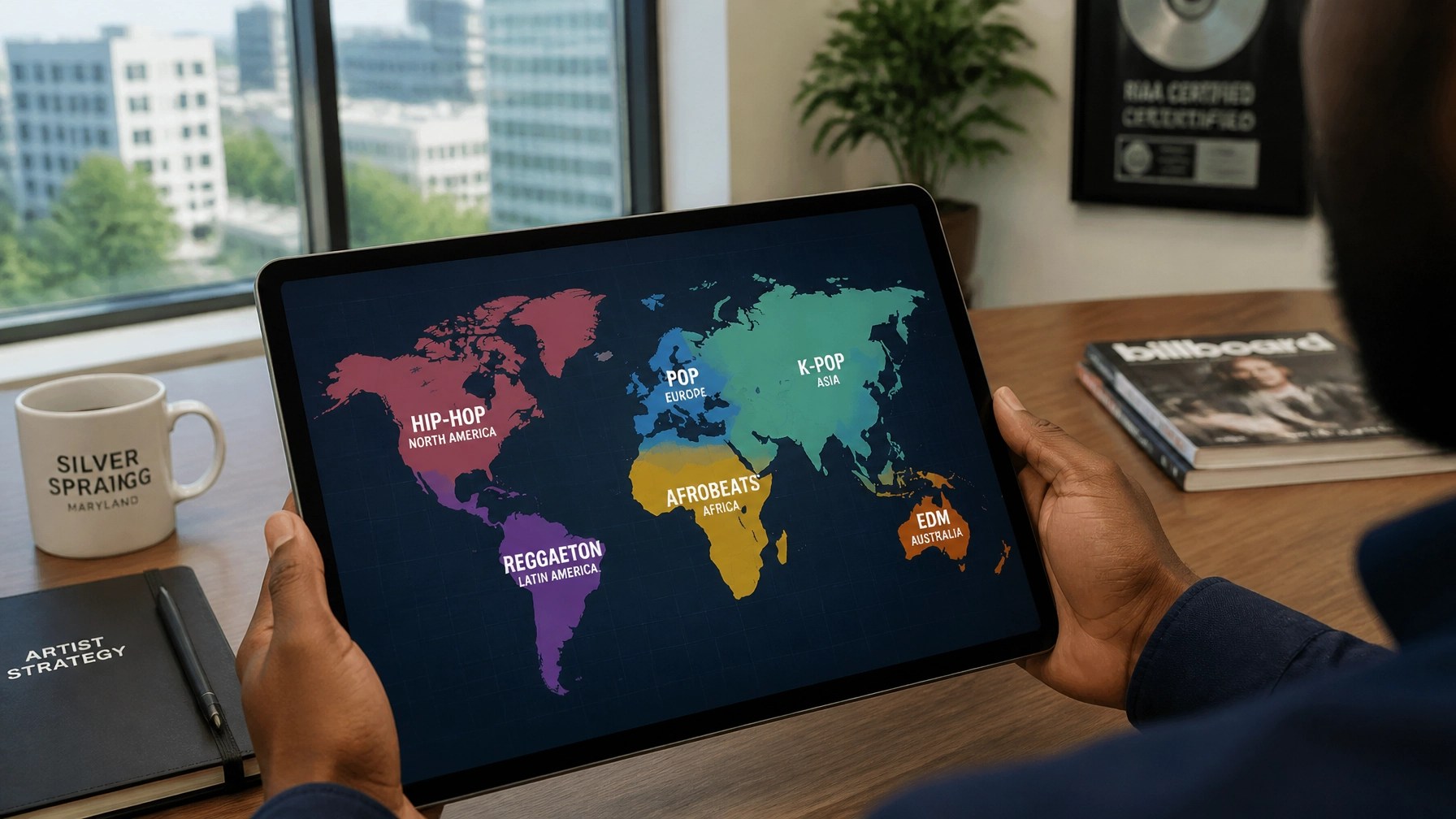
If you think you need to be based in Los Angeles or New York City to hit these numbers, think again. The report highlights that 85% of these $100K+ earners are based outside the U.S.
The global nature of streaming means that a track recorded in a home studio in Maryland can blow up in Brazil, France, or Nigeria overnight. There are now 75 countries generating over $500,000 in annual royalties on the platform.
We are also seeing a massive diversification in language. There are currently 16 different languages represented in the Global Top 50. This is a huge "money move" for artists who embrace their local culture and sound rather than trying to fit into a generic Western pop mold. The world wants authentic sounds, and they are willing to pay for it.
Education Corner: Understanding Your Royalties
If you're an independent artist looking at these billions and wondering where your cut is, you need to understand how the money flows. It’s not just about "streams."
The Publishing Piece
Spotify paid out about $5 billion to publishers and songwriters over the last two years. Publishing royalties have grown 2.5x in the last five years.
As an artist, you wear two hats: the Performer and the Songwriter.
- Mechanical Royalties: Paid to you (the songwriter/publisher) when your song is streamed.
- Performance Royalties: Paid when your song is played in public, including on digital radio like Power JDM FM.
To collect these, you must be registered with a Performance Rights Organization (PRO) like ASCAP, BMI, or SESAC. But there's a third piece many artists miss: SoundExchange.
SoundExchange: Don't Leave Money on the Table
While your PRO handles songwriter royalties, SoundExchange collects performance royalties for the recording (the "master") when it's played on non-interactive digital radio (like Pandora or SiriusXM). If you are an independent artist who owns your masters, you are entitled to both the featured artist share AND the rights owner share. If you aren't registered with SoundExchange, you are literally leaving money on the table every time your music is played on digital radio.
Fresh Finds: The Independent Launchpad
One of the most successful programs for indies has been Fresh Finds. This playlist isn't just a "vibe": it's a career-maker. According to the report, more than 1 in 10 artists earning over $100,000 annually on Spotify were first playlisted in Fresh Finds.
Over 1,600 artists who were featured in Fresh Finds are now earning over $100,000 a year. This proves that Spotify’s editorial team is actively looking for independent talent to push into the mainstream. For artists in our local Tri-state scene, getting on the radar of these editors through the Spotify for Artists pitch tool is one of the most important "money moves" you can make.

Beyond the Stream: $1.5 Billion in Ticket Sales
The data also shows that Spotify is becoming a major driver for live music revenue. In 2025, Spotify helped drive $1.5 billion in ticket sales through its platform.
For an artist in Philly or Baltimore, your streaming data is your roadmap for touring. If you see a spike in listeners in a specific city, that’s where you book your next show. Spotify’s "Live Events" feature allows you to list your concerts directly on your profile, catching fans right when they are listening to your music.
This synergy between streaming and live performance is how the $100k earners are actually making their living. They use streaming as the "top of the funnel" to find fans, then convert them into ticket buyers and merch collectors.
Watch: How to Level Up Your Spotify Game
If you haven't dove deep into the tools available to you, check out this masterclass from the official Spotify for Artists channel. It breaks down how to use their data to grow your brand.
https://www.youtube.com/watch?v=gqv_f1jzWwE
Final Thoughts for the Independent Artist
The 2026 Loud & Clear report isn't just a bunch of big numbers: it's a validation of the independent path. The fact that indie artists are now taking home half of the $11 billion pie should give every artist in the Tri-state area the confidence to keep building.
The industry is moving toward a model where "owning your own" is the ultimate leverage. Whether you are recording in a basement in Silver Spring or a pro studio in Philly, the gatekeepers have been bypassed. The money is there; the question is, are you positioned to collect it?
Make sure your publishing is in order, register with SoundExchange, keep pitching to Fresh Finds, and treat your music like the global business it has become. 2025 was a record-breaking year, and 2026 is already looking to be even bigger for the independent world.