
The world of urban music is no stranger to beef, but the latest war isn't happening on a diss track: it’s happening in the federal courts and the depths of AI training datasets. Maplewood, New Jersey’s own SZA has officially drawn a line in the sand, and her recent confrontation with the AI platform Suno has sent shockwaves from the Tri-state area to the global music stage.
As of July 2, 2026, we are witnessing a pivotal moment in music history. What started as a frustrated Instagram post has evolved into a full-scale legal and cultural interrogation of how artificial intelligence is using the voices and souls of human artists.
The 238-Song Bombshell
It all started when SZA decided to do a little digital housekeeping. Using a new tool called the Atlantic AI Watchdog: a database that allows artists to see if their work has been used to train generative AI models: she searched her own catalog. The results were staggering.
SZA discovered that 238 of her songs were listed in AI training datasets. This wasn't just the hits like "Kill Bill" or "Snooze"; the datasets allegedly included unreleased tracks and demos that had never seen the light of day. For an artist as protective of her craft as SZA, this wasn't just a copyright issue: it was a violation.
She didn't hold back. Taking to her private Instagram account, she went off on Suno and similar platforms, calling the practice "disgusting" and "exploitation." For SZA, the fact that her "vibranium": her unique creative energy: was being harvested to build a machine that could eventually replace her was the ultimate betrayal.
The "Watchdog" That Exposed the Truth
The tool SZA used, the Atlantic AI Watchdog, has become the most talked-about resource for independent and major artists alike this year. It operates as a searchable index of the billions of data points that AI companies like Suno and Udio have "scraped" from the internet to teach their algorithms how to write songs.
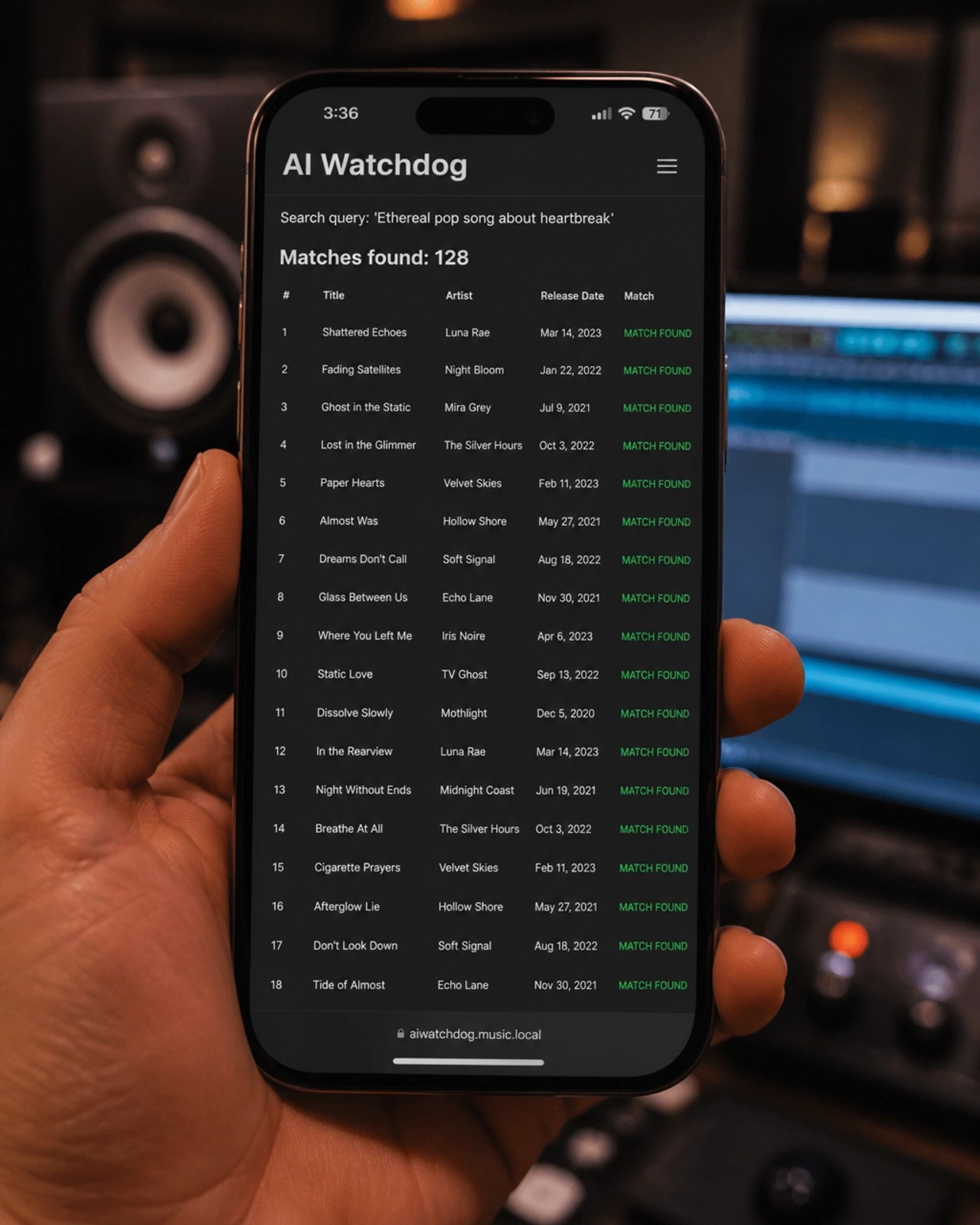
For many artists in Philly, Jersey, and Maryland, this tool is providing the first real evidence of how their music is being used without their consent. If you’ve ever wondered why an AI-generated R&B track sounds suspiciously like your local scene’s signature vibe, this database is where you find the proof.
Race, Equity, and the "Vibranium" Argument
What sets SZA’s stance apart from other artists is how she has framed the battle. She isn't just talking about money; she’s talking about cultural theft. In her posts, she pointed out that Black artists make up a small percentage of the population but influence the entire world’s sound.
"I AINT HEARD A WHITE AI SONG YET," she famously posted, highlighting her belief that AI companies are disproportionately targeting Black creativity because of its high market value and global influence. She warned other Black and Brown creators that they would "pay the brunt of it every time" if they didn't protect their work.
She even went as far as to name-drop producer Diplo, alleging that he has equity in Suno and is actively trying to train the AI on the "best and brightest Black minds." While Diplo has confirmed investments in other AI startups like Aaru, the direct link to Suno remains a point of heated industry debate. Regardless, the message was clear: the culture is being mined, and the creators aren't getting a seat at the table.
The Legal War: Sony Music vs. Suno
While artists like SZA are fighting in the court of public opinion, the major labels are fighting in actual courtrooms. Sony Music Entertainment has emerged as the lead aggressor in the litigation against Suno.
Unlike Warner and Universal, who have explored various settlements and licensing partnerships with AI firms, Sony has taken a "see you in court" approach. They are currently barrelling toward a massive summary-judgment hearing in mid-July 2026.
The core of the argument? Sony claims that Suno’s "industrial-scale" copying of copyrighted music isn't "fair use": it’s theft. Suno, on the other hand, argues that their training process is "transformative," much like a human listening to a song and learning how to play the guitar.
Check out this breakdown of SZA’s discovery and her “war” with AI companies:
Why This Matters to You: The $4.6B Risk
This isn't just about multi-platinum superstars. A recent study by CISAC (the International Confederation of Societies of Authors and Composers) projected that $4.6 billion in annual artist revenue is at risk of being lost to AI by 2028.
For the independent artist in Baltimore or the producer in Philly, that loss comes from "substitution." If a brand can pay $10 a month for an AI that creates "SZA-style" music for their ads, they won't hire the local singer who actually has that soul. By 2028, it’s estimated that 24% of all music creator revenue will be under threat.

Educational Tip: Protect Your Catalog
If you’re an artist reading this, the SZA situation should be a wake-up call. While the big labels are fighting the big battles, you need to handle your business:
- Publishing & Registration: Ensure all your tracks: even the unreleased ones: are properly registered with your PRO (ASCAP, BMI, SESAC).
- SoundExchange: Make sure you are collected on your digital performance royalties. As AI-generated music floods streaming platforms, every stream of a human song becomes more valuable.
- Audit Your Work: Use tools like the AI Watchdog to see where your music is popping up. Knowledge is power when it comes to licensing and takedown requests.
The Future of the Tri-State Sound
SZA’s defiance is a reminder that the "New Jersey sound" and the "Philly vibe" aren't just data points to be fed into a machine. They are the result of real life, real struggle, and real talent. As we move closer to the July hearings, the music industry is holding its breath. Will the courts protect human genius, or will the machines be given a free pass to the "vibranium"?
Stay tuned to Power JDM FM as we keep you updated on the Sony vs. Suno verdict and what it means for your favorite artists.