
For a long time, the dream for an independent artist was simple: go viral on TikTok, rack up millions of views, hope a label notices, and watch the streaming checks roll in. But if you’ve been paying attention to the industry lately, you know that script is getting shredded.
In 2026, the "viral hit" is starting to look more like a lottery ticket and less like a career plan. We’re seeing artists with a million followers struggle to sell out a 200-cap room in Philly, while artists with only 10,000 dedicated fans are selling out tours across the Tri-state and moving thousands of dollars in merch every month.
The playbook is being rewritten. We are moving away from the "Attention Economy": where the goal is just to be seen: and into the "Relationship Economy," where the goal is to be supported. If you want to build a sustainable career in music today, you have to stop acting like a content creator for Mark Zuckerberg and start acting like a media company that owns its own data.
The "Super Fan" Math: The 2% Rule
Let’s look at the numbers. According to the latest data from Luminate, the landscape of music consumption is extremely top-heavy. While millions of people might casually listen to your song on a "Chill Vibes" playlist, they aren't the ones keeping your lights on.
The real power lies with the Super Fan.
Research shows that "Super Listeners": fans who engage with an artist in multiple ways like buying merch, attending shows, and following closely: make up only about 2% of an artist's total monthly listeners. However, that tiny 2% drives a staggering 18% of the streams and nearly 50% of all ticket and merchandise sales.
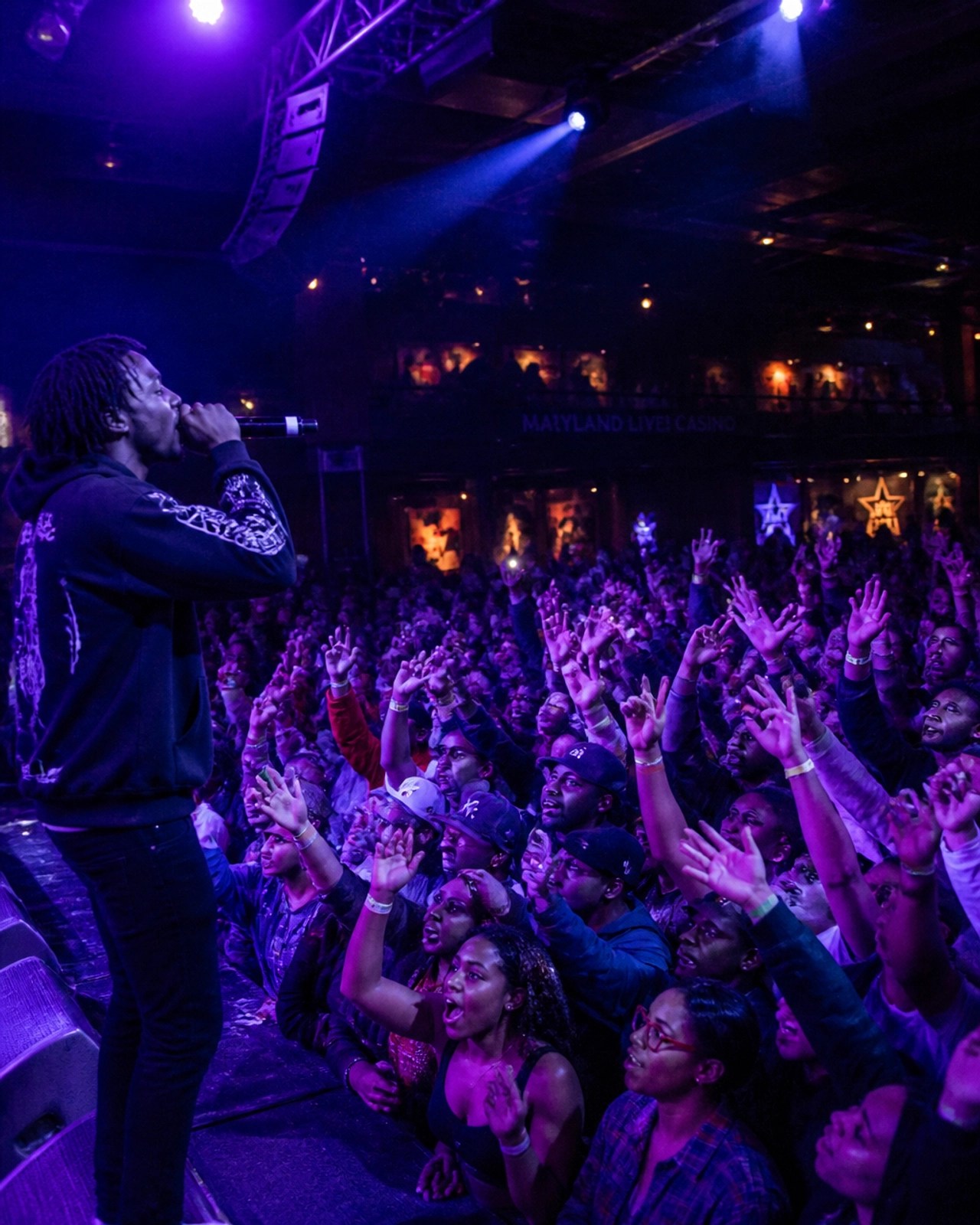
Think about that. If you spend all your energy trying to reach the 98% of people who will just skip your song after 30 seconds, you’re leaving the most important part of your business on the table. In 2026, the smartest Money Move you can make is focusing on the 2% who actually want to buy what you’re selling.
Rented Land vs. Owned Land
Here is the hard truth: You do not own your followers on Instagram, TikTok, or Twitter. You are "renting" them.
If the algorithm changes tomorrow (which it will), or if a platform decides to start charging you to reach the people who already followed you (which they already do), your reach can vanish overnight. Relying solely on social media for your fan connection is like building a house on a plot of land you don't own.
The shift happening right now is toward Owned Media. This means moving your fans from "rented" platforms into channels you control:
- Email Lists: Still the highest ROI in digital marketing.
- SMS/Text Marketing: Direct access to a fan's pocket with nearly 98% open rates.
- Your Own Website: The central hub where you control the experience and keep 100% of the data.
When you have a fan's email address or phone number, you have permission to talk to them whenever you want, without an algorithm standing in the way.
The Artist Website: Your New Command Center
For a while, people thought the artist website was dead. They were wrong. In 2026, your website is your command center. It’s where your most dedicated fans go to find the things they can't get anywhere else.
Instead of just having a "Linktree" that sends people away to Spotify (where you make fractions of a penny), your website should be a destination. It’s where you host your store, your exclusive content, and your community.
Using tools like Bandcamp or your own Shopify store allows you to keep a much larger piece of the pie. When a fan buys a digital album on Bandcamp, you get paid instantly, and: more importantly: you get their email address. When they stream it on a major platform, you wait months for a check that might not even cover a tank of gas.
Direct-to-Fan: The New Middle Class
We are seeing the rise of a "New Middle Class" in the music industry. These are artists who may never have a Billboard Top 40 hit, but they are making six figures a year by going direct-to-fan.
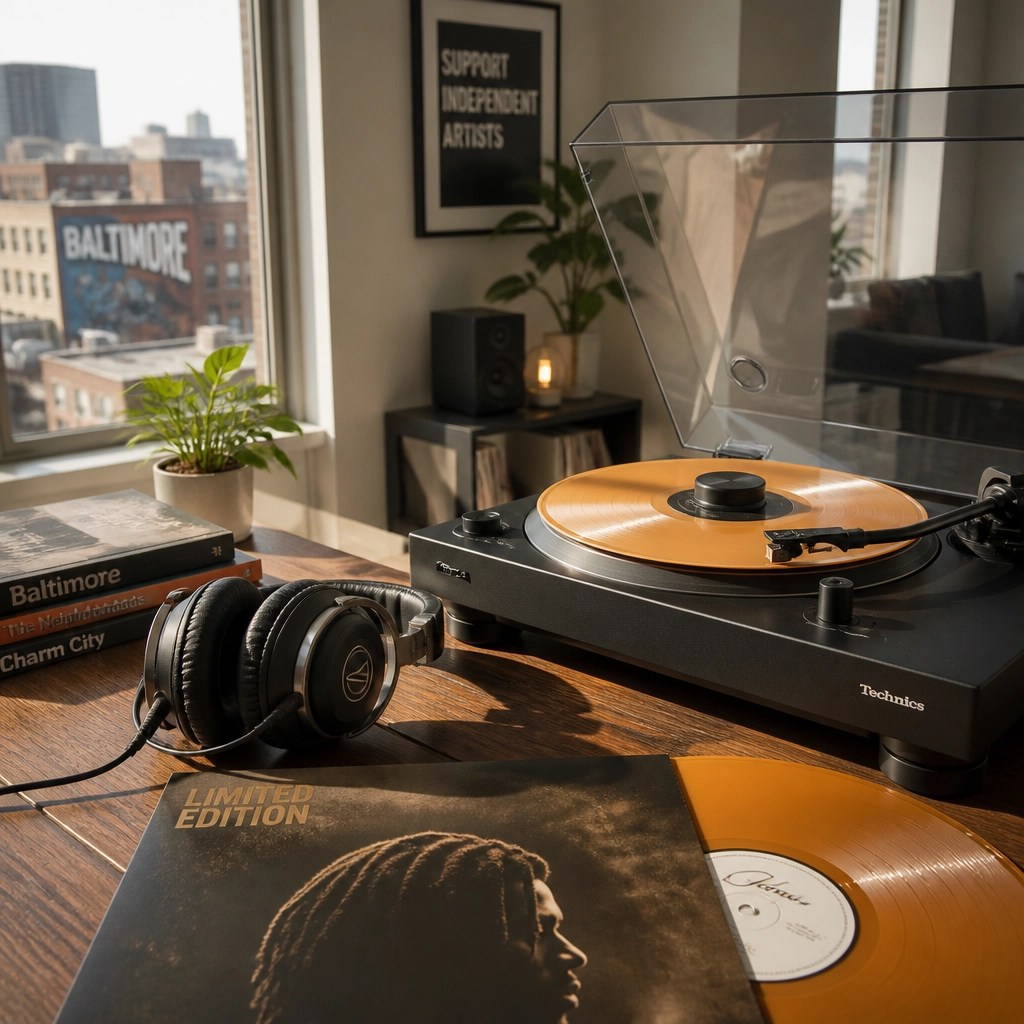
Platforms like Patreon and private Discord communities are allowing artists to offer memberships. For $5 or $10 a month, your "Super Fans" get early access to tickets, behind-the-scenes footage, and exclusive merch. If you have 500 fans paying you $10 a month, that’s $60,000 a year before you even sell a single concert ticket or get a single stream.
This is how the math of a modern indie career works. It’s not about millions of followers; it’s about a few hundred people who really, truly care.
Becoming a Small Media Company
The most successful indie artists in the Tri-state area aren't just musicians; they are small media companies. They understand that music is the product, but content is the marketing.
This means you need to be "programming" your brand like a TV network:
- Short-form (TikTok/Reels): Discovery. This is how you find new people.
- Long-form (YouTube/Podcasts): Trust. This is where people get to know your personality.
- Owned Channels (Email/SMS): Support. This is where you make the sale.
Every piece of content you put out should have a goal. Are you trying to get someone to listen to a song, or are you trying to get them to join your "inner circle"?
Tactical Moves: Capturing the Data
How do you actually do this on the ground? It starts at the show.
Next time you’re performing in Baltimore, Philly, or Newark, look at your merch table. Is there a way for fans to join your world right there?
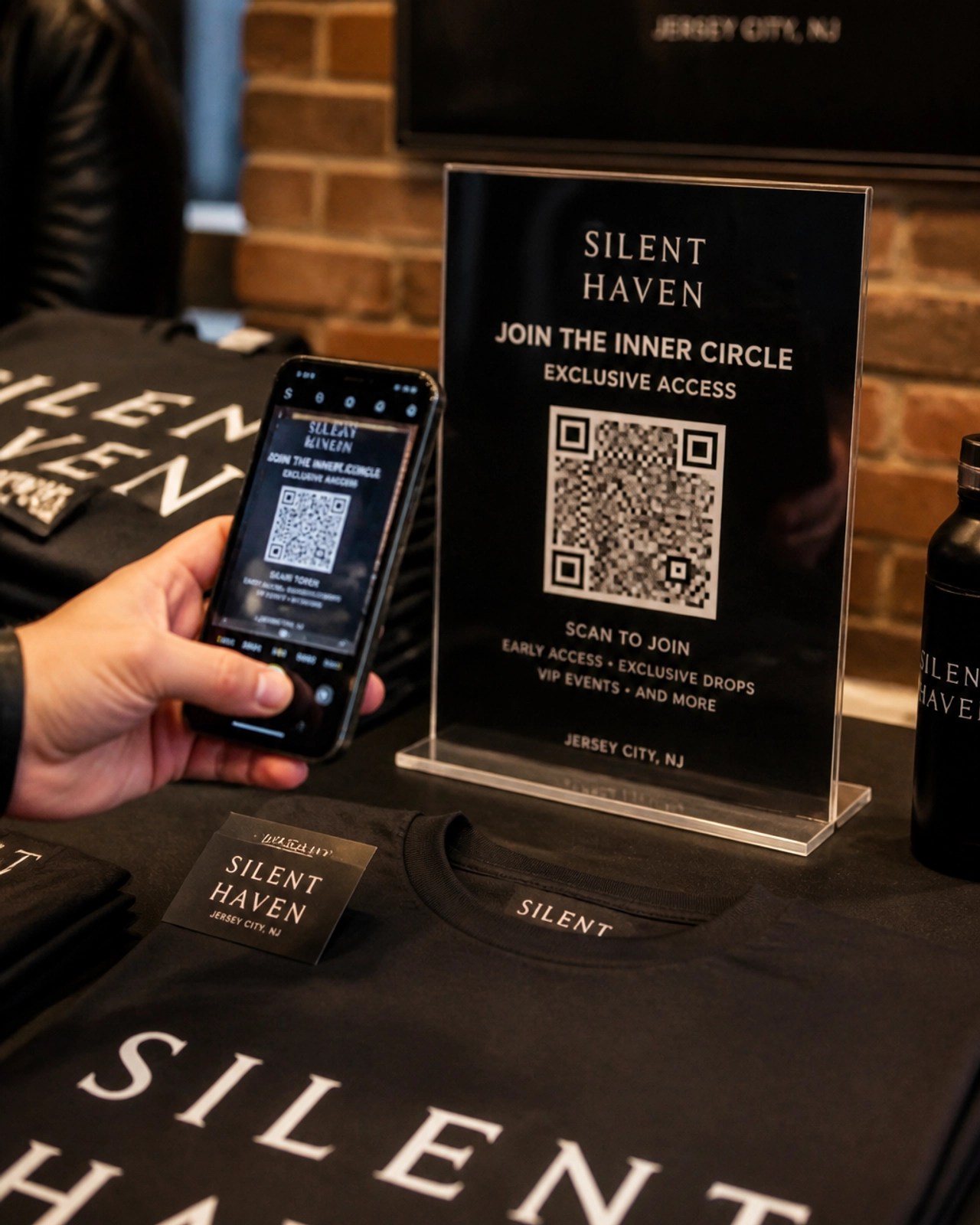
- QR Codes everywhere: Put a QR code on your stage banner, your merch sign, and even your physical CDs or vinyl. This should lead to a "Lead Magnet": maybe a free unreleased song or a discount on merch: in exchange for an email or phone number.
- Segmentation: Don't treat every fan the same. Use your data to see who has bought merch in the past and send them a special "thank you" discount. Send your Maryland fans an alert when you book a show in DC, but don't bother your Jersey fans with it.
- SoundExchange & Royalties: While you build your direct-to-fan empire, don't forget the "passive" money. Make sure you are registered with SoundExchange to collect your digital performance royalties. It’s another piece of the puzzle that many indie artists leave on the table.
The Path to Sustainability
The journey of a modern artist follows a specific path:
- Attention: Getting someone to stop scrolling.
- Permission: Getting them to give you their email or follow.
- Trust: Showing up consistently with good music and content.
- Support: When they buy their first shirt or ticket.
- Sustainability: When they become a recurring part of your ecosystem.
Stop chasing the viral ghost. Start building your own world. The followers might look good on your profile, but the relationships are what will pay the rent.